main content of page
Kawasaki Motors Corp., U.S.A.
Animated banner for the Morgan Wallen x Kawasaki Collection. Men's and women's apparel branded with Morgan Wallen and Kawasaki graphics.
Morgan Wallen x Kawasaki Collection. Limited-edition men's and women's apparel branded with Morgan Wallen and Kawasaki graphics.
Limited-Edition Men's & Women's ApparelShop now |
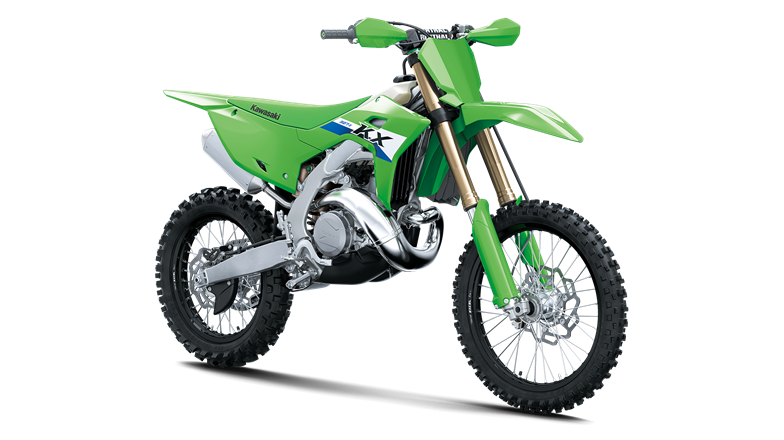
2027 Kawasaki KX™327X, $9,699 MSRP. 2-stroke revolution.
THE NEW ERA BEGINSStarting at $9,099 MSRP EXPLORE KX™327X EXPLORE KX™327 |
Kawasaki promotional image featuring Steve Austin standing arms crossed in a Kawasaki t-shirt inside the Lincoln, Nebraska assembly plant. Text reads: From Lincoln, Nebraska, With Pride. Assembled in the USA. In Lincoln, Nebraska.
Kawasaki promotional image featuring Steve Austin standing arms crossed in a Kawasaki t-shirt inside the Lincoln, Nebraska assembly plant. Text reads: From Lincoln, Nebraska, With Pride. Assembled in the USA. In Lincoln, Nebraska.
FROM LINCOLN, NEBRASKA,WITH PRIDEWATCH VIDEO WATCH VIDEO |
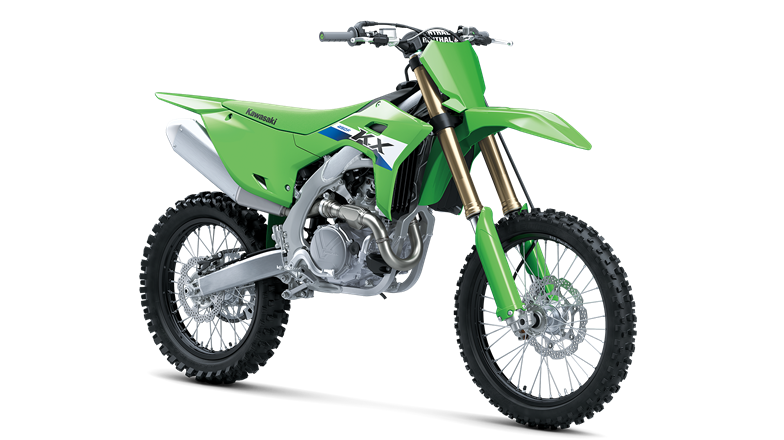
2027 KX™450F, $10,299 MSRP. The bike that builds champions.
THE BIKE THAT BUILDS CHAMPIONSStarting at $10,299 MSRP EXPLORE KX™450F EXPLORE KX™450FXSpecifications are subject to change for vehicles under development.
Specifications are subject to change for vehicles under development.
|
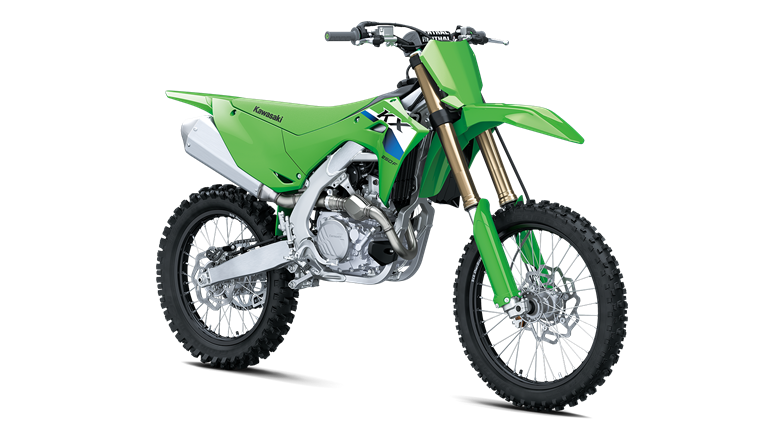
2027 Kawasaki KX™250F, $18,599 MSRP. The bike that builds champions. Levi Kitchen. Monster Energy® Pro Circuit Kawasaki.
THE BIKE THAT BUILDS CHAMPIONSStarting at $8,599 MSRP EXPLORE KX™250F EXPLORE KX™250FXProfessional rider(s) on a closed course.
Professional rider(s) on a closed course.
|
Kawasaki Ridge Sweepstakes promotion featuring Morgan Wallen's Still The Problem Tour 2026. Enter for a chance to win a loaded Kawasaki RIDGE Crew Platinum Ranch Edition Side x Side.
Kawasaki Ridge Sweepstakes promotion featuring Morgan Wallen's Still The Problem Tour 2026. Enter for a chance to win a loaded Kawasaki RIDGE Crew Platinum Ranch Edition Side x Side.
 ENTER RIDGE® SWEEPSTAKES
NO PURCHASE OR PAYMENT NECESSARY TO ENTER OR WIN. Open to legal residents of the 48 contiguous U.S./D.C., age 18+. Void in AK, HI, outside the 48 U.S./D.C. and where prohibited. Sweepstakes starts at 12:00:01 AM PT on 4/10/26; ends at 11:59:59 PM PT on 8/1/26. Odds of winning depend on the number of entries received. For full Official Rules, visit kawasaki.com/RIDGEsweeps. Sponsor: Kawasaki Motors Corp., U.S.A., P.O. Box 25252, Santa Ana, California 92799. Accessorized model shown. WARN VRX 45, the WARN logo and THE RED HOOK STRAP are registered trademarks of Warn Industries, Inc.
NO PURCHASE OR PAYMENT NECESSARY TO ENTER OR WIN. Open to legal residents of the 48 contiguous U.S./D.C., age 18+. Void in AK, HI, outside the 48 U.S./D.C. and where prohibited. Sweepstakes starts at 12:00:01 AM PT on 4/10/26; ends at 11:59:59 PM PT on 8/1/26. Odds of winning depend on the number of entries received. For full Official Rules, visit kawasaki.com/RIDGEsweeps. Sponsor: Kawasaki Motors Corp., U.S.A., P.O. Box 25252, Santa Ana, California 92799. Accessorized model shown. WARN VRX 45, the WARN logo and THE RED HOOK STRAP are registered trademarks of Warn Industries, Inc.
|
Kawasaki financing offer: as low as 2.95% APR for 36 months and save up to $4,500 on select models.
Kawasaki financing offer: as low as 2.95% APR for 36 months and save up to $4,500 on select models.
FINANCING AS LOW AS 2.95%FOR 36 MONTHS**LEARN MORE*Model & year exclusions apply. May be combined with promotional retail financing rates. Incentives are available at participating Kawasaki dealerships. Offer valid through 06/30/2026. Subject to change without notice. Offer available on approved purchases of select new unregistered Kawasaki vehicles. **Kawasaki Motors Corp., U.S.A. does not offer or extend credit and does not review or make any determination of the creditworthiness or other qualifications of any applicant for credit. Financing as low as 2.95% APR for 36 months with monthly payments required. APR of 2.95%, 16.45% or 22.95% will be assigned. Down payment of 0% - 15% of amount financed required. APR and down payment based on credit approval criteria. Offer valid on amount financed of $2,500 or more on SELECT new and unregistered Kawasaki models. Model & year exclusions apply. Offer expires 06/30/2026. Offer is subject to credit approval. Example of terms of repayment over a 36-month term at 2.95% APR with [0]% downpayment: 36 monthly payments of $[30.40] per $1,000 financed; example of terms of repayment over a 36-month term at 22.95% APR with [15]% downpayment: 36 monthly payments of $[38.68] per $1,000 financed.
*Model & year exclusions apply. May be combined with promotional retail financing rates. Incentives are available at participating Kawasaki dealerships. Offer valid through 06/30/2026. Subject to change without notice. Offer available on approved purchases of select new unregistered Kawasaki vehicles. **Kawasaki Motors Corp., U.S.A. does not offer or extend credit and does not review or make any determination of the creditworthiness or other qualifications of any applicant for credit. Financing as low as 2.95% APR for 36 months with monthly payments required. APR of 2.95%, 16.45% or 22.95% will be assigned. Down payment of 0% - 15% of amount financed required. APR and down payment based on credit approval criteria. Offer valid on amount financed of $2,500 or more on SELECT new and unregistered Kawasaki models. Model & year exclusions apply. Offer expires 06/30/2026. Offer is subject to credit approval. Example of terms of repayment over a 36-month term at 2.95% APR with [0]% downpayment: 36 monthly payments of $[30.40] per $1,000 financed; example of terms of repayment over a 36-month term at 22.95% APR with [15]% downpayment: 36 monthly payments of $[38.68] per $1,000 financed.
|
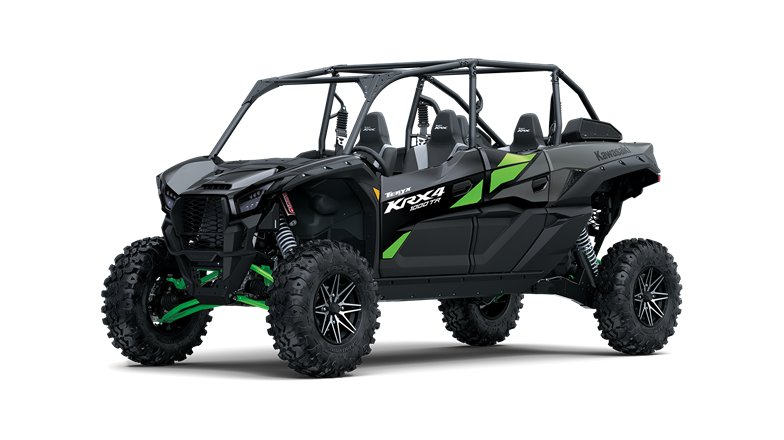
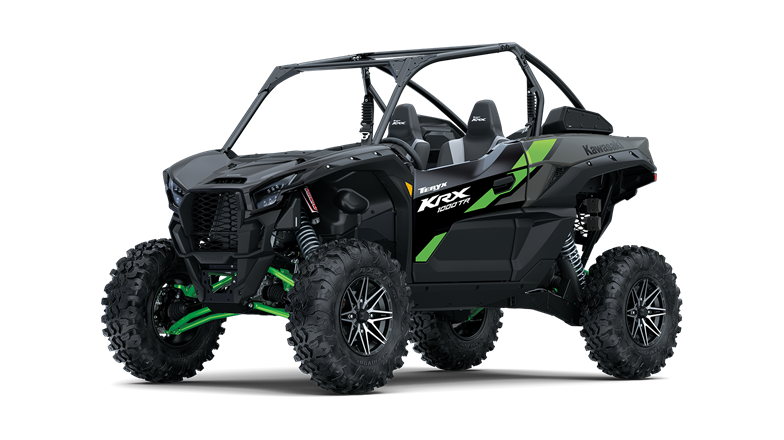
2027 Kawasaki TERYX KRX® 1000 TR, $21,199 MSRP. Bred for the trail. 64 inch trail ready.
BRED FOR THE TRAILStarting at $21,199 MSRP EXPLORE TERYX KRX® 1000 TR EXPLORE TERYX® KRX4™ 1000 TRExperienced rider(s) under controlled conditions. Do not attempt maneuvers beyond your capabilities.
Experienced rider(s) under controlled conditions. Do not attempt maneuvers beyond your capabilities.
|
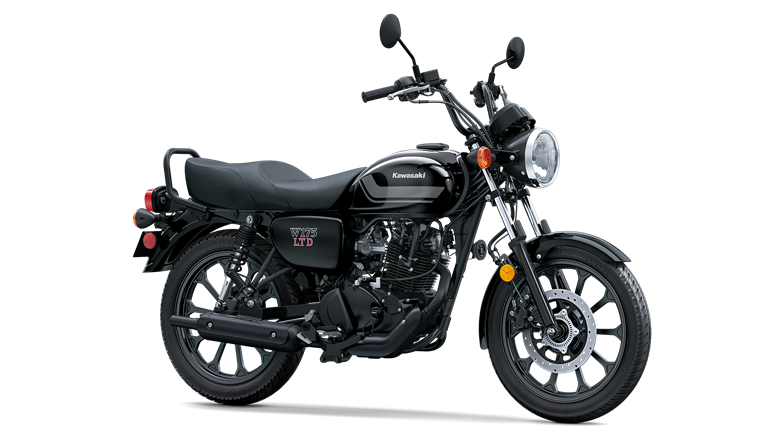
2026 Kawasaki W175 LTD, $2,999 MSRP. Ride of passage.

RIDE OF PASSAGE$2,999 MSRP EXPLORE W175 LTDEquipment illustrated and specification may vary to meet individual markets.
Equipment illustrated and specification may vary to meet individual markets.
|
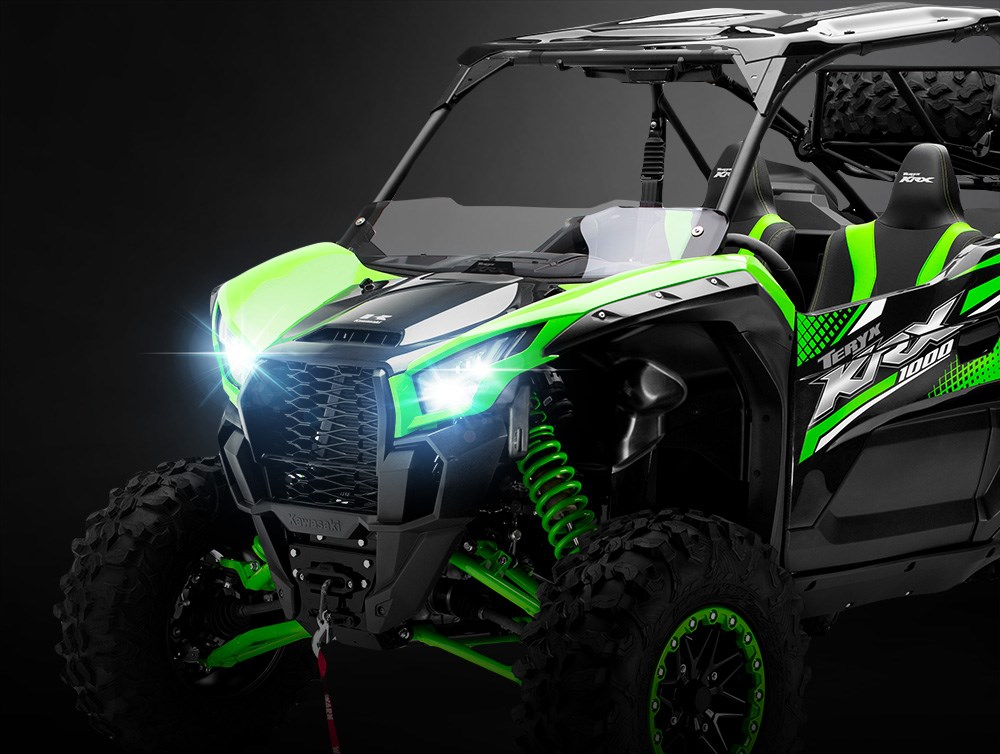
2027 Vehicles Have Arrived. TERYX® KRX4™ 1000 eS, MULE PRO-FXT™ 1000 PLATINUM RANCH EDITION, KLX®300R, BRUTE FORCE® 750 EPS.
2027 VEHICLES HAVE ARRIVEDTERYX® / MULE™ / BRUTE FORCE® / KLX®EXPLORE NEW MODELS |
SETH HAMMAKER racing his Kawasaki KX 250 at the PRO MOTOCROSS CHAMPIONSHIP in Pala, California.

HAMMAKER STRIKES BIG IN CALIFORNIASETH HAMMAKER AND HIS MONSTER ENERGY® PRO CIRCUIT KAWASAKI KX™250 WINS PRO MOTOCROSS ROUND 1 AND THE FIRST OF HIS CAREERPRO MOTOCROSS CHAMPIONSHIP – PALA, CA LEARN MOREProfessional rider(s) on a closed course. Do not attempt.
Professional rider(s) on a closed course. Do not attempt.
|


OFFERS & PROMOTIONS |
VIEW ALL OFFERS